

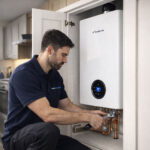
The main gas boiler alternatives available to homeowners and landlords right now are air source heat pumps, ground source heat pumps, hybrid heat pumps, air to air heat pumps, biomass boilers, solar thermal panels and electric boilers.
Some of these swap fossil fuels out completely. Others work alongside your existing system so you can ease into cleaner heating without turning your home upside down. In this guide, we will walk you through each option with costs, realistic savings and practical advice, with a particular focus on what works well for properties across the North West, Yorkshire and the Midlands.
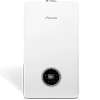
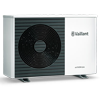

7 Gas Boiler Alternatives At A Glance
Before we get into the details, here is a quick snapshot of the seven gas boiler alternatives we rate most highly, along with typical costs, grants and how each one performs on running costs and carbon savings.
| Alternative | Typical Installed Cost | Boiler Upgrade Scheme Grant | Typical Annual Running Cost | Carbon Impact | Best Suited To |
| Air Source Heat Pump | £8,000 to £14,000 | £7,500 (£9,000 for homes moving off oil or LPG) | £610 to £720 | Can cut heating emissions by up to 2,900 kg of CO2 a year | Most homes, especially semi-detached and detached properties |
| Ground Source Heat Pump | £15,000 to £35,000 | £7,500 | £500 to £900 | Among the lowest running emissions of any heating system | Larger properties with garden or land |
| Hybrid Heat Pump | £7,500 to £14,000 | Not currently eligible | Similar to gas, lower with smart use | Moderate, cuts gas use significantly | Older or poorly insulated homes easing into electrification |
| Air To Air Heat Pump | £2,500 to £11,000 | £2,500 | Low, plus free summer cooling | Moderate to high | Flats, small terraces, homes without wet heating |
| Biomass Boiler | £7,000 to £19,000 | £5,000 | £900 to £1,500 | High, particularly for rural homes leaving oil | Rural and off grid homes with room for fuel storage |
| Solar Thermal Panels | £3,000 to £6,000 | None currently | Saves £150 to £275 a year on hot water | Moderate, cuts hot water emissions | Homes with a south facing roof, as a top up system |
| Electric Boiler | £1,000 to £3,500 | None currently | £800 to £1,500 | Depends on the electricity grid mix | Flats and small, well insulated homes |
7 Gas Boiler Alternatives Recommended By Our Experts
Our heating engineers have installed and maintained every system on this list, so here is our honest, practical breakdown of what each one offers, including the pros, the cons and who it suits best.
1. Air Source Heat Pump
Air source heat pumps are our top recommended gas boiler alternative because they work well in the vast majority of UK homes and come with the largest government grant available. An air source heat pump takes heat from the outside air, even on a cold day, and uses it to warm your radiators and hot water through an electrically driven compressor. There is no flame, no flue and no burning of fossil fuels involved anywhere in the process.
Homeowners across the North West are already benefiting from this switch. Research from the University of Birmingham found that the North West stands out with the highest percentage reduction in carbon emissions from heat pump adoption, reaching up to 33 percent when 40 percent of homes in an area switch to an air source heat pump, thanks to the region’s cleaner electricity grid.
Areas with plenty of detached housing, such as Shropshire and West Lancashire, are highlighted as particularly promising for this kind of switch.
A typical air source heat pump installation costs between £8,000 and £14,000 before any grant, and the Boiler Upgrade Scheme knocks £7,500 off that price, rising to £9,000 for homes currently on oil or LPG.
That often brings the out of pocket cost down to somewhere between £500 and £6,500 depending on your property. Running costs sit at roughly £610 to £720 a year for an average three bedroom home, which is broadly similar to a gas boiler on a standard tariff, but drops to as little as £350 to £450 a year on a smart heat pump electricity tariff. Over a 20 year lifespan, that can add up to savings of around £3,900 compared with staying on gas.
Pros:
- Qualifies for the biggest Boiler Upgrade Scheme grant, up to £9,000 for oil and LPG homes
- No combustion, no flue gases and a much lower carbon footprint
- Can cut heating emissions by up to 2,900 kg of CO2 a year
- Works efficiently even in cold UK winters, down to around minus 15 degrees
- Lower running costs on smart or heat pump specific tariffs
Cons:
- Higher upfront cost than a gas boiler, even after the grant
- Some homes may need bigger radiators or better insulation first
- Needs outside space for the unit, usually around one metre by one metre
- Slightly higher running costs than gas on a standard tariff, without a smart tariff
Air source heat pumps suit most property types, but they perform best in semi-detached and detached homes with reasonable insulation and a bit of garden or side access for the outdoor unit.
2. Ground Source Heat Pump
Ground source heat pumps are a highly efficient gas boiler alternative for homes with enough outdoor space to bury ground loops or drill a borehole. Rather than pulling heat from the air, this system draws steady, consistent warmth from the ground a few metres down, where the temperature barely changes between summer and winter. That steady source means ground source systems often run more efficiently than their air source cousins.
Installation costs are noticeably higher, typically £15,000 to £35,000 depending on whether you need a simple horizontal loop or a deeper borehole. The same £7,500 Boiler Upgrade Scheme grant applies, which softens the blow but does not close the gap entirely. The reward comes in the running costs, often £500 to £900 a year for an average home, among the cheapest of any heating system to operate.
Pros:
- Very efficient, often cheaper to run than air source heat pumps
- Extremely low carbon footprint once installed
- Quiet operation, with no visible outdoor unit disturbing neighbours
- Long lifespan, often 20 years or more for the ground loop itself
Cons:
- High upfront installation cost, even after the grant
- Needs significant garden or land space for the loop or borehole
- Disruptive to install, with groundworks needed
- Not practical for flats, terraces or small gardens
This alternative is best suited to larger, rural or semi-rural detached properties across the North West, Yorkshire and the Midlands where there is enough land to accommodate the ground loop.
3. Hybrid Heat Pump
Hybrid heat pumps are a sensible gas boiler alternative for homeowners who are not quite ready to give up their gas boiler completely. This system pairs a smaller heat pump with your existing or a new gas boiler, and clever controls decide which one to use depending on the weather and demand. The heat pump handles most day to day heating, while the boiler steps in during the coldest snaps or for a quick hot water boost.
A hybrid system typically costs between £7,500 and £14,000 fitted, depending on whether your existing boiler can be reused. It is worth knowing that hybrid systems are no longer eligible for the Boiler Upgrade Scheme grant as of the update in April 2026, since the scheme now favours fully renewable systems. Running costs tend to sit close to a standard gas boiler, though they drop noticeably if you make good use of the heat pump side of the system.
Pros:
- Gentler transition away from gas, without a full system overhaul
- No need to replace radiators in most cases
- Backup boiler covers you during extreme cold snaps
- Reduces gas consumption and emissions without full electrification
Cons:
- No longer eligible for the Boiler Upgrade Scheme grant
- Still relies partly on fossil fuel, so it is not a zero carbon solution
- Two systems to maintain instead of one
- Savings are more modest than a full heat pump switch
Hybrid heat pumps work well for older or poorly insulated properties that are not quite ready for a full heat pump, giving homeowners breathing room to upgrade insulation and radiators over time.
4. Air To Air Heat Pump
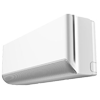
Air to air heat pumps are one of the most affordable gas boiler alternatives, particularly for flats and smaller homes that do not need a full wet central heating system. These systems work like the heat pump in a modern air conditioning unit, moving warm air into your home in winter and cool air in summer, all from one outdoor unit and one or more indoor wall mounted units.
Costs vary a lot depending on how many rooms you want to heat. A single room system typically costs £2,500 to £4,500, while a whole house setup covering several rooms can reach £11,000 or more. Since April 2026, these systems have become eligible for a £2,500 Boiler Upgrade Scheme grant, a welcome change that makes them more accessible. One thing worth flagging is that air to air heat pumps do not heat your hot water, so you will still need a separate solution for that.
Pros:
- Lower upfront cost than most other heat pump types
- Now eligible for a £2,500 government grant
- Doubles up as air conditioning in the summer months
- Quick and relatively unobtrusive to install
Cons:
- Does not provide hot water, so an additional system is needed
- Less suited to larger homes with many rooms
- Grant value is lower than air source or ground source systems
- Requires indoor wall units in each room you want to heat or cool
This alternative is particularly well suited to flats, small terraced houses and homes without existing radiators or a hot water cylinder.
5. Biomass Boiler
Biomass boilers are a practical gas boiler alternative for rural homes that sit off the mains gas grid and currently rely on oil or LPG. Instead of burning gas, a biomass boiler burns wood pellets, chips or logs to heat your water and radiators in much the same way a conventional boiler does. Many models can be topped up automatically from a hopper, so day to day use feels similar to a normal heating system.
Installed costs range from around £7,000 for a simple log boiler up to £19,000 for a larger automated pellet system with a dedicated fuel store. The Boiler Upgrade Scheme offers £5,000 towards a biomass boiler, and running costs typically fall between £900 and £1,500 a year.
Wood pellets currently cost around 5 to 7 pence per kilowatt hour, a little cheaper than mains gas at 6 to 8 pence per kilowatt hour, so the savings can be worthwhile for homes currently on pricier oil heating.
Pros:
- Good option for off grid rural properties currently on oil or LPG
- Wood fuel is often cheaper per unit than oil
- £5,000 Boiler Upgrade Scheme grant available
- Works in a similar way to a traditional boiler, so it feels familiar
Cons:
- Needs a dry, covered space to store fuel
- Requires more hands on maintenance than a heat pump
- Higher installed cost than many other alternatives
- Rarely beats mains gas on running costs for homes already on the gas grid
Biomass boilers make the most sense for rural and off grid properties across Yorkshire and the Midlands countryside, particularly detached homes with outbuildings or space for a fuel store.
6. Solar Thermal Panels
Solar thermal panels are not a full gas boiler alternative on their own, but they are an excellent supplementary system for cutting your hot water costs and your carbon footprint. Panels fitted to a south facing roof capture heat from the sun and use it to warm water stored in a twin coil cylinder, which then works alongside your main heating system.
A typical installation costs between £3,000 and £6,000, and currently benefits from 0 percent VAT until the end of March 2027. Solar thermal panels can provide 50 to 70 percent of a typical household’s hot water needs across the year, saving around 1,200 to 1,500 kilowatt hours annually. In cash terms, that works out at roughly £150 to £275 a year in savings on a gas fired hot water system.
Pros:
- Free heat from the sun for a large chunk of your hot water needs
- Zero VAT on installation until March 2027
- Very low running costs, just a small pump to power
- Pairs well with any of the other alternatives on this list
Cons:
- Does not provide space heating, only hot water
- Output drops significantly in winter months
- No current government grant for solar thermal
- Needs a south or south west facing roof to work well
This is a strong addition for any property with suitable roof space, and works particularly well as a partner system alongside an air source heat pump or a gas boiler you are not quite ready to replace.
7. Electric Boiler
Electric boilers are a straightforward gas boiler alternative for flats and small, well insulated homes where space is tight and heat demand is low. They heat water using an electric element rather than burning gas, so there is no flue needed and installation is generally simple and quick.
Installed costs are relatively low, often between £1,000 and £3,500, making this one of the cheapest alternatives to fit. The catch is running costs, which can reach £800 to £1,500 a year or more, since electricity costs more per unit than gas. There is currently no Boiler Upgrade Scheme grant for electric boilers, so this option tends to suit smaller properties where the lower heat demand keeps bills manageable.
Pros:
- Low upfront installation cost
- Compact size, ideal for flats with limited space
- No flue required, simple to fit
- Very quiet operation with no combustion noise
Cons:
- No government grant currently available
- Running costs can be considerably higher than gas or a heat pump
- Best suited only to smaller, well insulated properties
- Carbon savings depend heavily on how green your electricity supply is
Electric boilers work best in one or two bedroom flats and small, well insulated homes where heat demand is naturally low, rather than larger family houses.
How To Choose A Gas Boiler Alternative For Your Property In The North West
Choosing the right gas boiler alternative comes down to your property type, your budget and where you live, so here is our quick buyer’s guide to help you narrow things down whether you are in Manchester, Leeds, Birmingham or a smaller town nearby.
Check Your Home’s Insulation First
Your home’s insulation should be the first thing you check before choosing a gas boiler alternative. Heat pumps in particular work best in homes that hold onto heat well, so loft insulation, cavity wall insulation and reasonably modern windows will all help a heat pump perform efficiently and keep your running costs down.
Match The System To Your Property Type
Matching the system to your property type will save you money and disappointment further down the line. Detached and semi-detached homes with a garden usually have plenty of options, including ground source heat pumps, while flats and terraces without outdoor space are often better suited to air to air heat pumps or electric boilers.
Work Out Your Budget And Available Grants
Working out your budget alongside the available grants gives you a much clearer picture of your real cost. The Boiler Upgrade Scheme currently offers £7,500 for air source and ground source heat pumps, rising to £9,000 for homes moving off oil or LPG, £5,000 for biomass boilers and £2,500 for air to air heat pumps, so it is worth checking what you qualify for before you compare quotes.
Think About Space For Equipment
Thinking about space for equipment early on avoids awkward surprises during a survey. Air source heat pumps need around one square metre outside, ground source systems need enough garden for a loop or borehole, and biomass boilers need a dry area for fuel storage, so match the system to the space you actually have.
Choose An MCS Certified Local Installer
Choosing an MCS certified local installer is essential if you want to access government grants and get a job done properly. Only installations carried out by MCS certified engineers, using MCS listed equipment, qualify for Boiler Upgrade Scheme funding, so always check certification before booking any work on your home.
Get A Free Air Source Heat Pump Quote From Clever Energy Boilers
As one of the leading air source heat pump installers across the North West, Yorkshire and the Midlands, we have helped homeowners and landlords in Manchester, Liverpool, Leeds, Sheffield, Birmingham and countless towns in between make the switch away from gas, cutting their carbon footprint and taking full advantage of the Boiler Upgrade Scheme grant along the way.
Every quote we provide is free, honest and with no obligation to go ahead. We will walk you through the real costs, the grant you are entitled to and the savings you can expect, so you can make a confident decision about the best gas boiler alternative for your home.
If you are ready to leave rising gas bills behind and move to a cleaner, more efficient way of heating your home, request your free air source heat pump quote from Clever Energy Boilers today.
Frequently Asked Questions
Do I Need To Change My Radiators When I Switch From A Gas Boiler?
You may need to change some radiators when you switch from a gas boiler to a heat pump, because heat pumps typically run at lower flow temperatures than gas boilers. Many homes can keep their existing radiators if they are already reasonably sized, but some rooms may need larger radiators to stay comfortably warm, which a good installer will assess during your survey.
Is Planning Permission Needed For A Heat Pump In The UK?
Planning permission is not usually needed for an air source heat pump in the UK, because most installations fall under permitted development rights. To qualify, the unit must meet a noise limit of 42 decibels at the nearest neighbour’s window, measured under the MCS 020 standard, and sit at least one metre from your property boundary.
Can Landlords Claim Grants For Heat Pumps?
Landlords can claim grants for heat pumps in exactly the same way as homeowners. The Boiler Upgrade Scheme has no income test and no restriction based on who lives in the property, so private landlords, portfolio landlords and limited company landlords can all apply for the £7,500 grant on each eligible rental property they own.
What Happens To My Old Gas Boiler When I Switch?
Your old gas boiler is removed and responsibly recycled by your installer as part of the switchover. A qualified engineer will safely disconnect and take away the old unit, and any recyclable metal components are usually sent for scrap, so you do not need to arrange separate removal or disposal yourself.
