
![7 Oil Boiler Alternatives For Homes In The North West [2026]](https://www.cleverenergyboilers.co.uk/wp-content/uploads/2026/04/boiler-placeholder.jpg)

The main oil boiler alternatives available right now are a mains gas boiler, an air source heat pump, a ground source heat pump, a biomass boiler, an LPG boiler, solar thermal panels and an electric boiler.
Some of these mean a genuine change in how your home is heated, while others simply swap one fuel delivery for another. Below, we break each one down in plain terms, with honest pricing, real savings figures and guidance on which properties suit which system, with particular focus on homes across the North West, Yorkshire and the Midlands.

7 Oil Boiler Alternatives At A Glance
Before we get into the finer detail, here is a snapshot table covering the seven oil boiler alternatives we recommend most often, along with typical costs, grants and running costs.
| Alternative | Typical Installed Cost | Government Grant | Typical Annual Running Cost | Carbon Impact | Best Suited To |
| Gas Boiler | £1,500 to £4,500, plus £2,000 to £4,000 for a new mains connection | None currently | £729 to £1,020 | Lower emissions than oil, still a fossil fuel | Homes near an existing gas main |
| Air Source Heat Pump | £8,000 to £14,000 | £9,000 for homes switching from oil | £610 to £900 | Among the lowest of any system on this list | Most homes, especially rural detached properties |
| Ground Source Heat Pump | £15,000 to £35,000 | £7,500 | £500 to £900 | Very low, among the cleanest options available | Larger rural homes with garden or land |
| Biomass Boiler | £7,000 to £22,000 | £5,000 | £869 to £1,500 | Low, considered close to carbon neutral | Rural, off grid homes with fuel storage space |
| LPG Boiler | £1,800 to £9,000 | None currently | £1,200 to £2,200 | Similar to oil, still a fossil fuel | Off grid homes wanting a familiar boiler setup |
| Solar Thermal Panels | £3,000 to £6,000 | None currently | Saves £150 to £275 a year on hot water | Low, cuts hot water emissions | Homes with south facing roof, as a top up system |
| Electric Boiler | £1,500 to £5,000 | None currently | £800 to £3,500 | Depends on the electricity grid mix | Small, well insulated homes and flats |
7 Oil Boiler Alternatives Recommended By Our Experts
Our engineers work on oil boiler replacements every week, so here is our honest rundown of each alternative, covering the pros, the cons, pricing, savings and which type of property each one suits best.
1. Gas Boiler
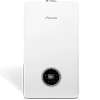
A gas boiler is often the first alternative people consider when moving away from oil, provided your property is close enough to the mains gas network to make a new connection worthwhile. Gas boilers burn natural gas rather than heating oil, and because gas is piped directly to your home, you avoid the hassle of ordering deliveries and keeping an eye on tank levels altogether.
The boiler itself typically costs between £1,500 and £4,500 fitted, but you also need to budget for a new mains gas connection, which usually runs from £2,000 to £4,000 for a straightforward job within 23 metres of an existing main, rising higher if the connection is longer or more complex.
Once connected, running costs tend to fall between £729 and £1,020 a year for an average three bedroom home, noticeably cheaper than oil in many cases, since mains gas currently costs around 6 pence per kilowatt hour compared with oil at roughly 7 to 8 pence per kilowatt hour once delivery and storage are factored in.
Pros:
- No more oil deliveries or tank monitoring
- Generally cheaper to run per kilowatt hour than oil
- Wide choice of boiler brands, sizes and models
- Familiar technology that most heating engineers know well
Cons:
- New gas connection costs can be significant if your home is far from a main
- Still a fossil fuel, so it does not future proof your home against upcoming heating regulations
- No government grant available for gas boiler installations
- Not an option at all for homes genuinely off the gas grid
A gas boiler works best for rural and semi rural properties that sit reasonably close to an existing gas main, making the connection cost worthwhile compared with ongoing oil deliveries.
2. Air Source Heat Pump
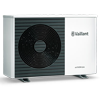
An air source heat pump is our top recommended oil boiler alternative for most off grid homes, largely thanks to the enhanced £9,000 government grant now available to households switching away from oil. Rather than burning any fuel at all, this system extracts heat from the outside air and uses an electrically powered compressor to warm your home and hot water, even during a typical British winter.
From 21 July 2026, the Boiler Upgrade Scheme grant for homes moving off oil or LPG increased by 20 percent, from £7,500 to £9,000, specifically to help households like these make the switch more affordable. With installed costs typically ranging from £8,000 to £14,000, that grant can bring your net cost down to somewhere between £0 and £5,000 depending on your property size and current setup.
Running costs generally sit between £610 and £900 a year, and research from the University of Birmingham found that the North West sees some of the highest percentage carbon reductions in the country from heat pump adoption, thanks to the region’s cleaner electricity grid, with rural areas featuring plenty of detached homes flagged as particularly well suited to the switch.
Pros:
- Largest available grant for oil and LPG households, at £9,000
- No fuel deliveries, no tank and no risk of running out of oil in winter
- Significantly lower carbon footprint than an oil boiler
- Works reliably even in cold weather, down to around minus 15 degrees
Cons:
- Higher upfront cost than a straightforward oil boiler swap, even after the grant
- May need larger radiators or extra insulation in older properties
- Requires outside space, generally around one square metre, for the outdoor unit
- A slight change in day to day habits, since heat pumps work best left running steadily rather than switched on and off
Air source heat pumps suit the vast majority of rural and semi-rural properties currently on oil, particularly detached and semi-detached homes with a garden or outdoor space for the unit.
3. Ground Source Heat Pump
A ground source heat pump offers exceptional efficiency for rural properties with enough outdoor space to accommodate ground loops or a borehole. This system pulls consistent, steady heat from a few metres below ground, where temperatures stay fairly stable throughout the year, which often makes it even more efficient than an air source system.
Installation costs are higher, usually between £15,000 and £35,000 depending on ground conditions and whether horizontal loops or a vertical borehole are needed. The same £7,500 Boiler Upgrade Scheme grant applies here, and while the upfront investment is considerable, running costs of £500 to £900 a year are often the lowest of any heating system on this list, making it a strong long term choice for larger properties.
Pros:
- Extremely efficient, often the cheapest heat pump type to run
- Long lifespan, with ground loops often lasting 40 years or more
- No visible outdoor unit, since heat is drawn from underground
- Very low carbon footprint once installed
Cons:
- High upfront cost, even with the £7,500 grant applied
- Needs substantial garden or land for the loop or borehole
- Groundworks can be disruptive during installation
- Not suitable for smaller plots or terraced properties
This alternative is best suited to larger detached rural homes across Yorkshire and the Midlands countryside, where enough land is available to install the ground loop system.
4. Biomass Boiler
A biomass boiler is a strong oil boiler alternative for rural households that want a system which feels familiar to run, since it heats water and radiators much like a traditional boiler but burns wood pellets, chips or logs instead of oil. Many modern biomass systems can auto feed from a hopper, so daily operation is not much different from your current setup.
Installed costs range from around £7,000 for a basic system up to £22,000 for a larger automated pellet boiler with a dedicated fuel store, and the Boiler Upgrade Scheme provides a £5,000 grant towards the cost. Running costs typically fall between £869 and £1,500 a year, and since wood pellets cost around 6 pence per kilowatt hour compared with oil at 7 to 8 pence per kilowatt hour, many rural households see a worthwhile reduction in their annual heating spend.
Pros:
- Familiar boiler style operation, unlike a heat pump
- Wood fuel often works out cheaper per unit than heating oil
- £5,000 Boiler Upgrade Scheme grant available
- Considered close to carbon neutral, since trees absorb carbon dioxide as they grow
Cons:
- Needs a dry, covered space for fuel storage
- More hands on maintenance required than other alternatives
- Higher installation cost than a straightforward oil boiler swap
- Deliveries of pellets or logs still needed, similar to oil
Biomass boilers work particularly well for detached rural properties with outbuildings or space for a fuel store, especially across the more remote parts of Yorkshire and the Midlands.
5. Lpg Boiler
An LPG boiler is often chosen by homeowners who want to stay with a familiar boiler setup without connecting to mains gas, using bottled or tank delivered liquid petroleum gas instead of heating oil. The boiler itself looks and operates much like a standard gas boiler, simply running on a different fuel source stored in a tank on your property.
Installed costs vary depending on whether you need a full new system with a tank, ranging from £1,800 for a like for like swap up to £9,000 for a complete new setup including tank installation. Running costs tend to be higher than both oil and mains gas, typically £1,200 to £2,200 a year, since LPG currently costs around 8 to 9 pence per kilowatt hour, noticeably more than oil at 7 to 8 pence per kilowatt hour.
Pros:
- Familiar boiler technology and easy servicing
- Cleaner burning than oil, with fewer emissions per unit
- Good choice if your property already has LPG infrastructure
- Quick installation compared with a heat pump
Cons:
- Usually more expensive to run than both oil and mains gas
- Still a fossil fuel, offering no protection from future heating regulations
- No government grant currently available
- Requires a tank and regular deliveries, much like oil
LPG boilers suit off grid homes that already have LPG tank infrastructure in place or homeowners who strongly prefer to stick with familiar boiler technology rather than switching to a heat pump.
6. Solar Thermal Panels
Solar thermal panels are not a full replacement for your oil boiler, but they are a genuinely useful addition that reduces how much oil you burn to heat water. Panels fitted on a south facing roof capture heat from sunlight and use it to warm water stored in your cylinder, easing the load on your main heating system throughout the year.
A typical installation costs between £3,000 and £6,000 and currently benefits from 0 percent VAT until March 2027. Solar thermal panels can supply 50 to 70 percent of a typical household’s hot water needs annually, saving homeowners roughly £150 to £275 a year on their main heating fuel, whether that is oil, gas or LPG.
Pros:
- Reduces oil, gas or LPG use for hot water throughout the year
- Zero VAT on installation until March 2027
- Very low running costs, just a small circulation pump
- Pairs well with your existing boiler or a future heat pump
Cons:
- Does not provide space heating on its own
- Output drops considerably during winter months
- No current government grant for solar thermal installations
- Needs a south or south west facing roof to perform well
This is a sensible add on for any rural property with suitable roof space, working well as a companion system alongside an oil boiler, gas boiler or air source heat pump.
7. Electric Boiler
An electric boiler is a simple oil boiler alternative for smaller, well insulated rural properties where heat demand is naturally low. These boilers use an electric heating element rather than burning any fuel, meaning there is no flue, no tank and no deliveries to arrange at all.
Installed costs are relatively affordable, typically £1,500 to £5,000, making this one of the cheaper alternatives to fit initially. Running costs can be higher though, often £800 to £3,500 a year depending on the size of your property and your electricity tariff, since electricity costs more per unit than oil at current prices.
Pros:
- Lower upfront installation cost than most other alternatives
- Compact and simple, ideal for smaller properties
- No flue, tank or fuel deliveries required
- Very quiet, with no combustion noise
Cons:
- No government grant currently available
- Running costs can exceed oil for larger or poorly insulated homes
- Best suited only to smaller properties with lower heat demand
- Carbon savings depend on how green your electricity supply is
Electric boilers are best suited to small, well insulated rural cottages, annexes or holiday lets rather than larger family homes with higher heat demand.
How To Choose An Oil Boiler Alternative For Your Property In The North West
Choosing an oil boiler alternative comes down to your location, your property size and your budget, so here is our buyer’s guide to help homeowners and landlords across the North West, Yorkshire and the Midlands make a confident decision.
Check Your Distance From The Gas Grid
Checking your distance from the gas grid should be your very first step. If a mains gas connection is nearby and affordable, a gas boiler could be a straightforward and relatively low cost switch, but if your property is genuinely off grid, a heat pump, biomass boiler or LPG system becomes a far more realistic option.
Assess Your Property’s Insulation Standard
Assessing your property’s insulation standard will shape which alternative performs best for you. Heat pumps in particular work most efficiently in homes with decent loft and cavity wall insulation, so it is worth having an energy assessment done before committing to a system that relies on lower running temperatures.
Consider Available Outdoor Space
Considering available outdoor space early on will narrow down your options quickly. An air source heat pump needs roughly one square metre outside, a ground source system needs enough land for a loop or borehole, and a biomass boiler needs a dry area for fuel storage, so match the system to what your property can realistically accommodate.
Compare The Full Cost Over Ten Years
Comparing the full cost over ten years gives a much clearer financial picture than looking at installation price alone. A gas boiler might look cheapest upfront, but factoring in fuel costs, servicing and the £9,000 heat pump grant available to oil households often changes which option works out best over the long run.
Check Grant Eligibility Before You Compare Quotes
Checking grant eligibility before you compare quotes avoids confusion further down the line. Homes currently on oil qualify for the enhanced £9,000 Boiler Upgrade Scheme grant for a heat pump, £7,500 for a ground source heat pump, and £5,000 for a biomass boiler, so always factor these figures in before deciding what is genuinely affordable.
Get A Free Boiler Installation Quote From Clever Energy Boilers
You can get a free boiler installation quote from Clever Energy Boilers by contacting our friendly team online or by phone, and one of our Gas Safe and MCS certified engineers will visit your property to talk through the oil boiler alternative that makes the most sense for your home, your budget and your location.
Our team installs new boilers across the North West, Yorkshire and the Midlands, working with homeowners and landlords in towns and cities such as Preston, Manchester, Leeds, Sheffield, Birmingham and Stoke.
Request your free boiler installation quote from Clever Energy Boilers today and let our team help you find the right replacement.
Frequently Asked Questions
How Much Does It Cost To Remove An Old Oil Tank?
Removing an old oil tank typically costs between £150 and £500 depending on the tank size and whether any remaining oil needs draining and disposing of safely. Larger tanks or those in difficult to access locations, such as behind a garage or below ground, can push costs towards the higher end of that range.
Can I Keep My Oil Tank If I Switch To A Different Heating System?
You can keep your oil tank if you switch to a different heating system, though most homeowners choose to have it removed once it is no longer needed. Some households repurpose the space for storage or garden use, while others prefer removal straight away to reclaim the space and avoid any risk of leaks from an ageing tank.
Will My Home Insurance Change If I Remove My Oil Tank?
Your home insurance may change slightly if you remove your oil tank, since some insurers offer marginally lower premiums once the risk of an oil leak or spill is eliminated. It is worth contacting your insurer after any heating system change to update your policy details and confirm whether your premium is affected.
Is It Worth Switching Away From Oil Before My Current Boiler Breaks Down?
Switching away from oil before your current boiler breaks down is often worth considering, particularly if you want to spread the cost and timing of the work on your own terms. Planning the switch in advance also means you are not rushed into a like for like oil replacement out of sheer necessity during a cold snap.
How Many Homes In The UK Still Use Oil Heating?
Around 1.5 million homes in the UK still use oil heating, most of them in rural areas that sit off the mains gas grid. These properties are a key focus of government schemes such as the Boiler Upgrade Scheme, which now offers an enhanced £9,000 grant specifically to help oil heated households move to a heat pump.
